Nutrition Plans for Overweight Cats: Diet and Exercise Tips
Author:Arooba
Released:January 11, 2026
Is your feline friend looking a bit too plush these days? Does leaping onto the couch seem like a major effort? Overweight cats face real risks, from diabetes to joint strain, yet a smart plan can turn things around gracefully.
Why Cats Gain Weight More Easily Than We Think
Weight gain in cats usually happens slowly. A few extra treats here, a slightly fuller bowl there, and over time, the calories add up faster than they’re burned.
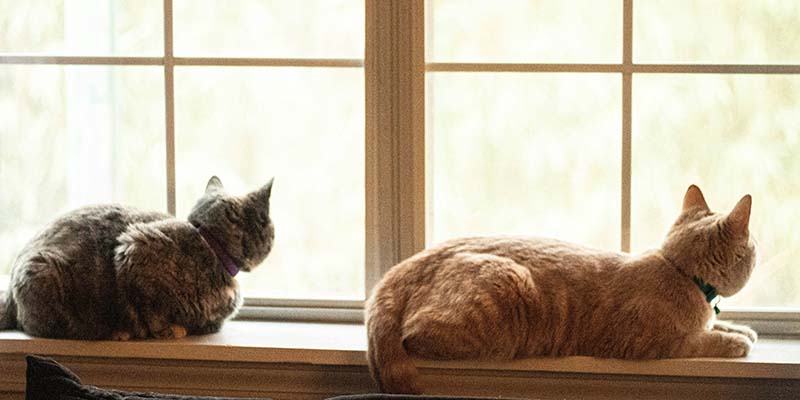
Indoor cats tend to be at higher risk. Without the daily routines that outdoor cats naturally have, stalking, climbing, and short bursts of running, many house cats simply move less throughout the day. Sleeping on a warm windowsill often wins over chasing a toy mouse.
Several everyday factors can play a role:
- Overfeeding or constantly refilling the bowl
- Diets that are higher in carbohydrates than a cat really needs
- Limited playtime or physical activity
- Slower metabolism as cats age
- Hormonal changes after neutering or spaying
- Certain medications or underlying health conditions
Many vets mention that extra weight is more common than people think. In the U.S., a large share of pet cats are heavier than recommended, which can increase the chances of joint pain, heart strain, and a shorter lifespan. Recent survey findings from the Association for Pet Obesity Prevention highlight just how widespread the issue is
Spotting the Signs of Excess Weight
Cats can carry extra pounds without making it obvious. All that fur hides a lot.
One simple check is feeling along the ribcage. You should be able to feel the ribs with light pressure, not digging around for them.
From above, most healthy cats still show a gentle waistline. If the belly hangs low or your cat walks with a bit of a waddle, weight might be creeping up.
Behavior changes can show up before the scale does. Some cats start avoiding higher places they once loved, like the back of the couch or a window perch. Others seem out of breath after short play sessions.
Grooming is another clue. When a cat struggles to reach certain spots, you might notice small mats forming along the back or near the tail.
When we’re unsure, veterinarians usually rely on something called a body condition score. It’s a hands-on assessment that looks at fat coverage, body shape, and muscle.
Age and breed can make the picture a little confusing. Older cats naturally move less, and larger breeds like Maine Coons often look bulkier than smaller cats.
Even so, there’s a difference between a big frame and carrying extra fat. Catching those subtle signs early makes it much easier to adjust diet or activity before weight starts affecting a cat’s comfort.
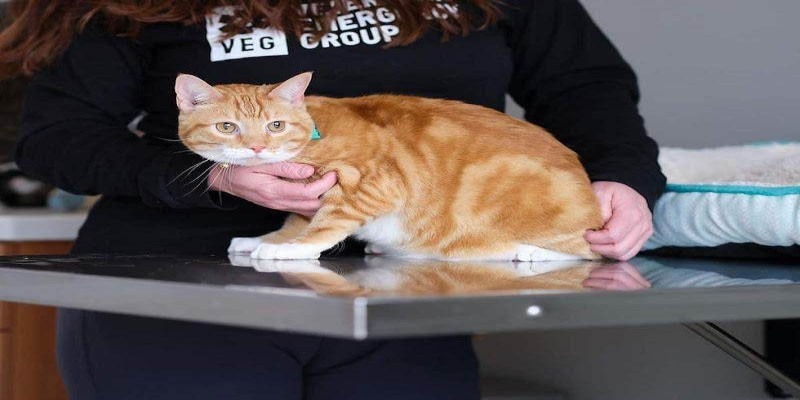
Building a Healthy Diet Plan for Overweight Cats
For most overweight cats, diet changes make the biggest difference. Weight gain usually happens because a cat eats slightly more calories than it burns every day. Over time, those extra calories turn into body fat. Because cats are obligate carnivores, their diet should still focus mainly on animal-based protein rather than large amounts of carbohydrates.
A healthy weight-loss plan usually includes several key elements.
High-quality protein.
Protein helps cats lose fat while keeping muscle. Look for foods where real animal protein, such as chicken, turkey, salmon, or other fish, is listed as the first ingredient. Many vets suggest aiming for diets with a relatively high protein content so the cat stays satisfied even while calories are reduced.
Controlled calorie intake.
Instead of free-feeding, most veterinarians recommend measured meals. As a rough starting point, many adult indoor cats need around 20 calories per pound of ideal body weight per day, though this varies by age, breed, and activity level. Using a kitchen scale or measuring cup helps prevent accidental overfeeding.
Moderate fiber.
Fiber adds bulk to the food and can help cats feel full between meals. Some weight-management formulas include ingredients like beet pulp or vegetable fiber for this reason.
Supportive nutrients.
During weight loss, certain nutrients can help maintain overall health. For example, L-carnitine helps the body convert fat into energy, while omega-3 fatty acids support joint comfort—important for heavier cats who may already experience strain on their joints.
Many veterinarians recommend therapeutic weight-management foods because they are carefully balanced to reduce calories without causing nutrient deficiencies. In fact, survey results published in 2025 from the Association for Pet Obesity Prevention show that a substantial portion of U.S. cats are considered overweight or obese, highlighting just how widespread the issue has become among pet owners and veterinary professionals
Building Fun Feline Exercise Routines
Keeping overweight or indoor cats active doesn’t have to feel like a chore; it can be fun for both of you. Short, targeted play sessions throughout the day help burn calories, reduce stress, and support muscle tone while satisfying your cat’s instincts.
Most veterinarians and pet behavior experts recommend aiming for about 20–30 minutes of purposeful activity per day, broken into several short bursts rather than one long session.
- Rather than marathon play, think “mini-hunting adventures.”
Start with 10–15 minute blocks in the morning and evening, matching your cat’s crepuscular nature (most cats are most active at dawn and dusk). Use a mix of activities so your cat stays curious and engaged:
- Interactive play with prey-like toys
Feather wands, teaser sticks, or toy mice let your cat stalk, chase, and pounce — all vital for calorie burn and instinct fulfillment. Laser pointers add frantic chases, but always end the game with a tangible toy they can “catch” so they don’t get frustrated.
- Puzzle feeders and foraging games
Hide small portions of kibble around the house or in food puzzle toys so your cat “hunts” for meals. This turns eating into exercise and mental enrichment.
- Climbing and solo fun
Add cat trees, perches, or even a cat wheel; vertical space invites exploration and encourages jumping and stretching. Window perches for bird-watching are cheap but effective enrichment.
- Rotate and vary toys
Cats get bored easily. Keep a stash of 5–8 toys and rotate them weekly to keep each session fresh.
- Environmental enrichmenttransforms lazy loungers into active participants in their own health.
A simple schedule might look like 10–15 minutes of active play after breakfast, a short foraging session mid-afternoon, and another 15-minute interactive hunt in the evening, finishing the day with a window-perch rest.
When you make exercise a predictable part of daily life, cats start to anticipate and even ask for their playtime, and that’s when the real fun begins.
The Role of Vet Monitored Weight Management
A vet-guided program gives your cat a personalized roadmap, rather than guessing calories and hoping for the best.
- Your vet will take into account your cat’s current weight, activity level, and underlying health conditions to calculate a tailored daily calorie target.
They’ll also perform basic bloodwork and diagnostic tests to rule out hidden contributors to weight gain, like thyroid imbalances, insulin resistance, or medication-related changes. Without this step, it’s easy to miss a medical driver that undermines even the best diet and exercise efforts.
- Once a plan is in place, regular check-ins are critical. Most veterinarians recommend re-evaluations every 3-4 weeks, during which weight, body composition, eating habits, and energy levels are reassessed.
Based on progress, vets might tweak calorie goals, adjust portions, or suggest food-based strategies, like warming food slightly to enhance aroma and appeal or splitting meals into smaller, more frequent feedings to reduce begging. They’ll also watch for signs of muscle loss and ensure nutrient needs continue to be met.
A safe target for most cats is about 0.5–1% of their body weight each week. Losing weight too quickly may increase the risk of hepatic lipidosis, a serious liver condition that can occur when fat is rapidly mobilized. The American College of Veterinary Internal Medicine emphasizes that gradual, vet-supervised weight loss significantly reduces this risk and improves long-term outcomes.
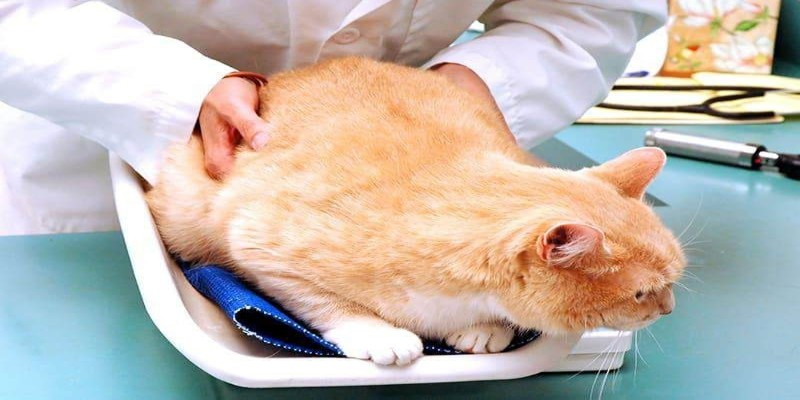
Overcoming Common Hurdles
- Cats can get picky when introducing new foods. A gradual transition over 7–10 days, mixing increasing amounts of the new food with the old, helps prevent stomach upset and refusal.
- Begging or food-focused behavior is normal. Stick to scheduled meals and use enrichment activities like puzzle feeders or short play sessions to distract them and reduce stress.
- Weight-loss plateaus are common. If progress stalls, consult your vet. They may recommend increasing activity or slightly adjusting calorie intake while ensuring nutrient needs are met.
- In multi-pet households, feeding separately or using puzzle feeders can prevent competition and stress, which can otherwise slow progress.
- Senior cats require gentler approaches. Short, low-impact play, mobility aids, and accessible feeding stations help maintain activity without overexertion, ensuring weight management remains safe and effective.
Tracking Progress and Staying Motivated!
Checking your cat’s weight every couple of weeks at home or at the vet helps you see real progress. Keep an eye on small wins too: more energy during play, a shinier coat, or grooming that’s easier than before. These little changes tell you the plan is working.
Instead of treats, celebrate milestones with new toys or extra play sessions. Cats that lose a bit of weight often jump higher, chase toys longer, and seem happier overall, making it fun for both them and you.
Even after your cat reaches a healthy weight, the routine continues. Portion control, regular play, and annual vet visits help prevent creeping weight gain.
Stick with it, and your once-roly-poly companion can transform into a playful, agile cat. Watching them leap, explore, and move with newfound energy is its own reward, bringing more joy and connection into everyday life.
Related Posts

Can Dogs Eat Broccoli Safely? Benefits, Risks, and Feeding Tips
Cat Staring At You? Here’s What It Might Be Trying To Say
Lickable Cat Treats: Why Tube Snacks Have Become a Cat Household Obsession
Why Indoor Cats Want Outside Time—and What to Do About It

How to Host a Safe and Stress-Free Backyard Pet Party